
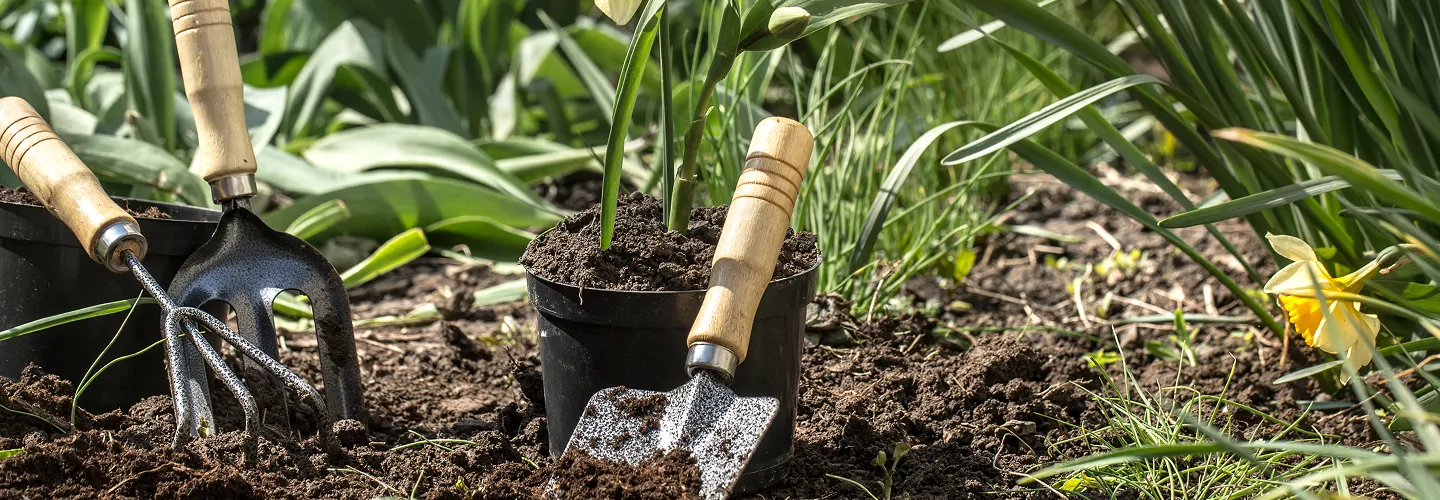
Highland Park Lawn Installation Services
Choose our expert lawn installation for a seamless, hassle-free transformation—enjoy a vibrant, healthy yard that boosts your home's curb appeal and value, all backed by our commitment to quality and customer satisfaction.
Get a Free QuoteOur Highland Park Landscaping & Yard Care Services
When to Schedule Lawn Installation in Highland Park, IL – Seasonal Guide
In Highland Park, IL, the best times for lawn installation are typically late spring and early fall. These seasons offer moderate temperatures and consistent rainfall, which are ideal for establishing new turf. The local climate, influenced by Lake Michigan, brings cool springs and humid summers, so timing your installation to avoid extreme heat or the risk of late frost is crucial. Neighborhoods near Ravinia Park or along Sheridan Road often experience microclimates due to tree coverage and proximity to the lake, which can affect soil moisture and temperature.
Before scheduling your project, consider Highland Park’s unique environmental factors such as the region’s clay-heavy soils, which can impact drainage, and the prevalence of mature trees in areas like Braeside and Sunset Park, which create varying levels of shade. It’s also important to be aware of municipal guidelines and seasonal water restrictions. For the latest updates on local regulations and city services, visit the City of Highland Park Official Website.
Local Factors to Consider for Lawn Installation in Highland Park
- Tree density and shade coverage, especially in established neighborhoods
- Soil type and drainage, with many areas featuring clay-rich soils
- Frost dates and risk of late spring or early fall cold snaps
- Summer drought risk and humidity levels
- Terrain variations, including sloped lots near the ravines
- Precipitation patterns and irrigation needs
- Municipal restrictions on watering and landscaping
- Proximity to landmarks like Lake Michigan, which can influence microclimates
Benefits of Lawn Installation in Highland Park
Expert Local Landscaping Team
Premium Quality Sod and Seed
Fast and Reliable Installation
Customized Lawn Solutions
Eco-Friendly Landscaping Practices
Comprehensive Aftercare Support
Highland Park Lawn Installation Types

Sod Installation
-
Hydroseeding
-
Artificial Turf Installation
-
Native Grass Planting
-
Overseeding
-
Sprigging
-
Plug Installation
Our Lawn Installation Process
Site Evaluation
Soil Preparation
Lawn Installation
Watering and Initial Care
Why Choose Highland Park Landscape Services
-
Highland Park Homeowners Trust Us
-
Expert Lawn Maintenance
-
Reliable Seasonal Care
-
Competitive Pricing
-
Professional Team
-
Satisfaction Guarantee
-
Personalized Service
Contact Highland Park's Department of Public Works for Site Preparation Debris & Installation Material Management
Proper management of site preparation debris and installation materials is essential for any lawn installation project in Highland Park. The city enforces the Illinois yard waste landfill ban, requiring all vegetative debris to be disposed of through seasonal yard waste collection using biodegradable paper bags or loose collection methods. Bulk soil and rock must be taken to the Transfer Station or Recycling Center, with specific operating hours, permits, and fees. For large projects, coordinate topsoil and amendment deliveries with municipal traffic regulations, and obtain equipment staging permits to ensure safe street access and protect city infrastructure. Advance notification to neighbors and coordination with utility companies, including Illinois One Call (JULIE - 811), is required to prevent service disruptions and protect underground utilities. For further guidance on debris disposal, material procurement, and project coordination, contact:
Highland Park Department of Public Works
1150 Half Day Rd., Highland Park, IL 60035
Phone: (847) 432-0807
Official Website: Public Works Department
Comprehensive Site Assessment & Soil Testing Requirements for Highland Park's Prairie Clay & Glacial Till Soils
A thorough site assessment is the foundation of successful lawn installation in Highland Park, where prairie clay and glacial till soils predominate. Mandatory soil testing through the University of Illinois Extension Plant Clinic provides analysis of pH (often alkaline, requiring sulfur to reach 6.3-6.8), nutrient levels, organic matter (target 3-5%), and clay content. Use the USDA Web Soil Survey to identify local soil series and drainage classifications, as heavy clay soils are common and may require significant amendment. Site evaluation should include vegetation removal planning, topographic survey for drainage, and utility location via JULIE (811) with at least 48 hours' notice. Integrate findings with existing landscape features and drainage systems for optimal results.
Highland Park Environmental Compliance Requirements for New Lawn Installation Near Protected Areas
Lawn installation near Highland Park’s streams, lakes, wetlands, or conservation areas requires strict compliance with environmental regulations. Coordinate with the Illinois Environmental Protection Agency and Illinois Department of Natural Resources for permits and buffer zone management. Erosion control measures, such as silt fences and compost filter socks, are mandatory during installation, especially on clay soils prone to runoff. Seasonal restrictions may apply during wildlife breeding periods (April–July). Immediate stabilization protocols, including temporary erosion controls and proper material staging, help prevent sediment from entering protected areas. Advance consultation with local compliance officers and documentation for larger projects are required, with inspections scheduled to verify adherence to environmental standards.
Professional Installation Methods: Sod vs. Seed vs. Hydroseeding in Highland Park's Climate Zone 5b
Selecting the right installation method is crucial for Highland Park’s USDA Hardiness Zone 5b, characterized by hot summers and cold winters. Compare methods:
- Sod: Immediate results, erosion control, higher cost ($0.50–$1.50/sq ft), limited species, best for slopes/high-visibility areas, install in spring/fall.
- Seed: Lower cost ($0.10–$0.30/sq ft), more species options, 4–8 week establishment, best for large/custom areas, avoid peak summer heat.
- Hydroseeding: Moderate cost ($0.20–$0.50/sq ft), rapid application, excellent for slopes and clay stabilization.
Technical standards include fresh sod delivery within 24–48 hours, fine grading, tight seams, and immediate irrigation. For seeding, address clay compaction, use 4–6 lbs/1,000 sq ft, apply starter fertilizer, and mulch for moisture retention. Hydroseeding requires proper slurry ratios and uniform application. Recommended species: Kentucky bluegrass, perennial ryegrass, tall fescue, and fine fescue, with native and low-maintenance options for specialty needs. Professional certification, installation verification, and establishment monitoring are essential for quality assurance.
Highland Park Building Department Permits for Grading, Drainage & Infrastructure Modifications
Major grading, drainage, or site alterations in Highland Park require permits from the Building Department. Projects disturbing over 25–50 cubic yards or exceeding certain square footage must undergo site plan review and comply with zoning ordinances, including setback and impervious surface limits (typically 70–80%). Stormwater management plans are required under Illinois EPA regulations. The permitting process involves Planning Department review, Fire Department coordination for emergency access, and municipal engineering for drainage integration. Specialized permits may be needed for right-of-way work or utility proximity. Submit site plans, grading calculations, and species lists for approval, and schedule inspections to obtain a certificate of completion. For permit guidance, contact:
Highland Park Building Department
1150 Half Day Rd., Highland Park, IL 60035
Phone: (847) 432-0808
Official Website: Building Division
Highland Park Water Management Coordination for Irrigation System Installation & New Lawn Establishment
Irrigation system installation in Highland Park requires coordination with the municipal water authority to ensure adequate supply and compliance with water conservation initiatives. Water service upgrades, backflow prevention device installation (with annual testing), and proper water meter sizing are mandatory. Irrigation design should include zoning for sun/shade, efficient sprinkler selection, controller programming for seasonal adjustments, and rain sensors for automatic shutoff. During establishment, new lawns require light, frequent watering (2–3 times daily for 2–4 weeks), transitioning to deeper, less frequent irrigation for root development. Adhere to municipal water restrictions during summer and obtain necessary permits and inspections. For water service and irrigation requirements, contact:
Highland Park Water Services
1150 Half Day Rd., Highland Park, IL 60035
Phone: (847) 432-0807
Official Website: Water Services
Post-Installation Stormwater Management & NPDES Compliance in Highland Park
All lawn installation projects disturbing over 1,000 square feet must comply with NPDES permit requirements under the Clean Water Act and EPA NPDES MS4 program. Construction-phase best management practices include staging equipment away from storm drains, daily cleanup, and installing temporary erosion barriers (silt fence, straw wattles) until vegetation is established. These measures are especially important for Highland Park’s clay soils, which are prone to runoff. Long-term, established lawns improve infiltration and reduce runoff, supporting the city’s green infrastructure goals. Weekly inspections during establishment and documentation of erosion control effectiveness are required, with repairs as needed and coordination with municipal environmental officers for compliance.
Soil Amendment Standards, Base Preparation & Professional Installation Techniques
Improving Highland Park’s clay soils is critical for successful lawn establishment. Incorporate 2–4 inches of compost or aged manure into the top 6–8 inches of soil to enhance structure and drainage. Apply lime or sulfur based on soil test results to achieve a pH of 6.3–6.8. Use starter fertilizer with appropriate N-P-K ratios and relieve compaction through mechanical tillage or core aeration. Grade the site with a 1–2% slope away from structures, and install subsurface drainage (tile systems, French drains) for poorly drained areas, considering the 36–48 inch frost line. Professional standards require certified contractors, proper equipment, liability insurance, and bonding for municipal work. Quality assurance includes verifying amendment incorporation, drainage functionality, and base preparation, with soil scientist consultation for complex sites.
Post-Installation Establishment Care & Long-Term Maintenance Planning in Highland Park
Establishment protocols vary by installation method: sod requires immediate deep watering to promote root contact with clay soils, while seed needs light, frequent watering 2–3 times daily. Fertilize 4–6 weeks after installation, and mow when grass reaches 3–4 inches, cutting to 2.5–3 inches and never removing more than one-third of blade height. Monitor establishment by assessing root development (sod) or germination rates (seed), and address pest or disease issues promptly. Fall is ideal for installation due to cooler temperatures and natural rainfall, while spring requires soil temperatures above 50–55°F. Summer installations face heat stress and increased irrigation needs. Transition to regular maintenance schedules, integrate seasonal fertilization, and develop sustainability plans for long-term resilience.
What Neighborhoods Do We Serve Throughout Highland Park, IL?
Highland Park features diverse neighborhoods, each with unique lawn installation considerations:
- Ravinia District: Dense clay soils, moderate drainage, mature trees requiring root protection, smaller lots with limited equipment access, historic district regulations, and community aesthetic standards.
- Braeside: Proximity to the Skokie River and wetlands, high water table, floodplain considerations, HOA guidelines, and frequent microclimate variations.
- Sheridan Road Corridor: Large lots, variable sun/shade patterns, existing irrigation infrastructure, and strict property value and appearance standards.
- Highlands: Urban compacted clay soils, moderate to poor drainage, alley access challenges, and integration with city stormwater programs.
- Hybernia: Newer developments with engineered soils, advanced drainage systems, conservation easements, and HOA maintenance requirements.
- East Highland Park: Lake Michigan proximity, sandy subsoils in some areas, wind exposure, and environmental buffer requirements.
- West Ridge: Rolling topography, glacial till soils, equipment access via front yards, and integration with municipal green infrastructure initiatives.
Each area requires tailored soil amendment, drainage, and installation strategies, as well as compliance with local regulations and community standards.
Highland Park Municipal Ordinances for Installation Equipment Operation & Commercial Service Standards
Lawn installation in Highland Park is governed by municipal ordinances regulating equipment operation hours (typically 7:00 AM–7:00 PM on weekdays, with restrictions on weekends and holidays) and noise levels. Commercial service providers must hold valid licenses, maintain liability insurance, and comply with bonding requirements for municipal work. Project coordination protocols require advance notification to neighbors, adherence to traffic control measures, and protection of municipal infrastructure. Compliance with city code is enforced through inspections and penalties for violations. For ordinance details and code compliance, contact:
Highland Park Community Development Department
1150 Half Day Rd., Highland Park, IL 60035
Phone: (847) 432-0808
Official Website: Community Development Department
By following these comprehensive guidelines, residents and professionals can ensure that lawn installation projects in Highland Park meet the highest standards of environmental stewardship, regulatory compliance, and long-term sustainability.